How To Choose A Berkeley Neighborhood That Fits Your Life
May 28, 2026
May 28, 2026
Choosing a Berkeley neighborhood can feel harder than choosing the home itself. One block may put you near a BART station and a busy retail corridor, while another gives you hillside streets, stair paths, and sweeping Bay views. If you are trying to match your next move to your daily routine, Berkeley makes the neighborhood decision especially important. This guide will help you compare Berkeley by lifestyle, commute, housing feel, and day-to-day rhythm so you can narrow your search with more confidence. Let’s dive in.
Berkeley is easier to understand as a collection of districts than as one single housing market. Areas like Downtown, Elmwood, Fourth Street, Gilman, North Shattuck, Solano Avenue, Lorin, Telegraph Avenue, University Avenue, the Waterfront, and the hills each create a different daily experience.
The city’s geography shapes those differences in a big way. Berkeley stretches from the Bay on the west to Tilden Regional Park on the east, so your lifestyle may lean toward flatter corridor living, waterfront access, or a more hillside setting. Berkeley also has compact, walkable neighborhoods and strong public transportation options, which matters if you want to get around with less driving.
Before you compare price, style, or lot size, think about what your week actually looks like. The best-fit Berkeley neighborhood is often the one that supports your routines with the least friction.
Ask yourself a few simple questions:
When you answer those questions first, your search usually becomes much clearer.
If you want an urban feel with lots happening close together, Downtown Berkeley and Telegraph are strong places to start. Downtown is Berkeley’s central hub for arts, dining, shopping, and entertainment, while Telegraph adds bookstores, shops, street vendors, hotels, and a distinct local identity.
This area works especially well if you want a transit-first routine. Downtown Berkeley BART sits on Shattuck Avenue near many amenities and close to the UC Berkeley area, though the station does not have parking. AC Transit Line 6 also connects Downtown Oakland to Downtown Berkeley through Telegraph Avenue and the campus corridor.
A good fit here might be someone who wants to walk to errands, use transit regularly, and stay close to a lively street environment. If you want quiet hillside streets or easy station parking, another part of Berkeley may suit you better.
North Berkeley offers a mix of neighborhood commercial corridors and more residential settings. North Shattuck is known for its food scene and long-established local businesses, while Solano Avenue adds restaurants, retail, and a neighborhood main street feel.
North Berkeley Station, at Sacramento and Delaware, offers parking, bike lockers, AC Transit connections, and access to the Ohlone Greenway. That makes this part of Berkeley useful if you want transit options but do not need the density of Downtown.
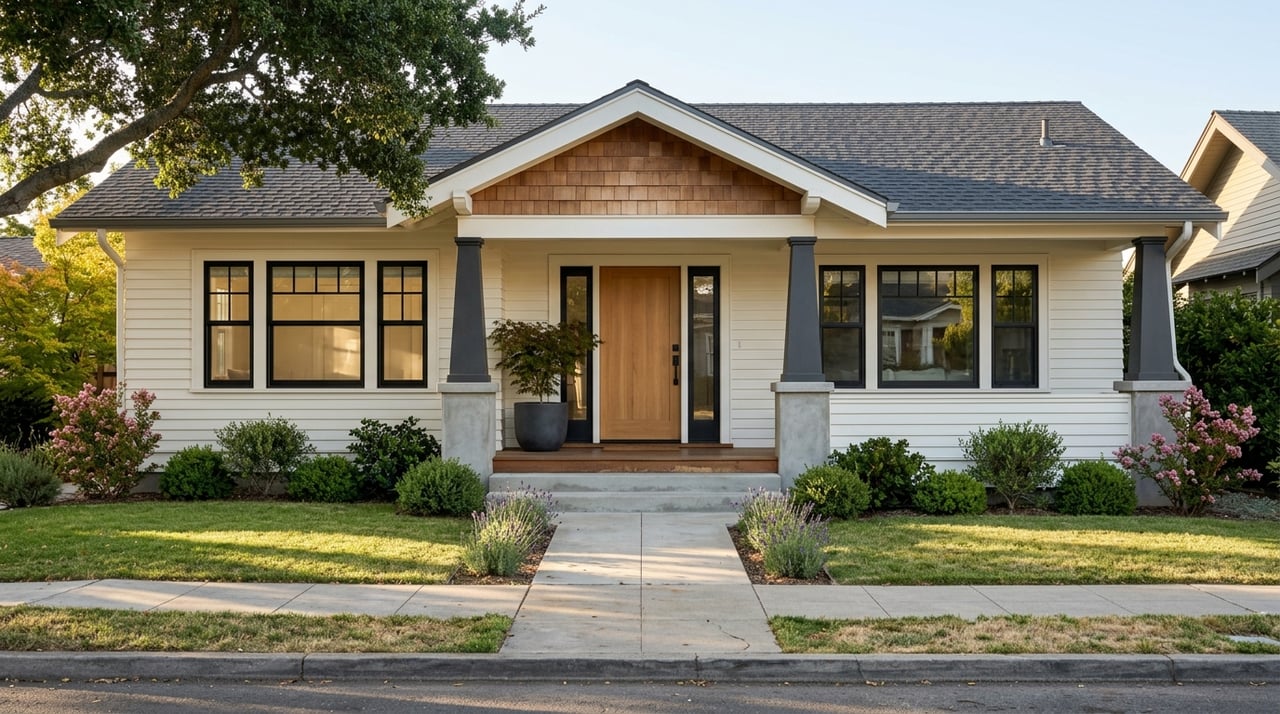
Northbrae introduces a different feel. Its streets follow the terrain, and the area is known for Craftsman and California bungalow homes, paths, steps, and Bay and hill views. If you are drawn to Indian Rock Park or the Berkeley Rose Garden, this area may feel especially appealing.
Elmwood is a strong option if you want a neighborhood commercial district with an established, walkable feel. It is Berkeley’s oldest commercial district and centers on a compact stretch with independently owned boutiques, cafes, restaurants, and the Rialto Cinemas Elmwood.
This area can be a smart fit if you want daily convenience without being in the middle of Downtown. AC Transit Route 27 connects Northbrae, Downtown Berkeley, Southside and Telegraph, Elmwood, Ashby BART, and Emeryville, which helps support a connected day-to-day routine.
Elmwood often appeals to buyers who want a small-scale main street nearby and a residential setting around it. If that sounds like your pace, it deserves a close look.
Lorin and the Ashby area are worth considering if you want a mixed-use neighborhood with strong transit access and active local destinations. The Lorin District includes arts and antiques, the South Berkeley Farmers Market, theaters, and Ashby BART nearby.
Ashby Station offers parking, and the station’s west lot hosts the Berkeley Flea Market on weekends. AC Transit Line F also connects Berkeley to San Francisco via Shattuck, Adeline, Market, and 40th Street, which can be helpful if regional transit matters to your routine.
This part of Berkeley may be a strong fit if you want everyday access to transit, local activity, and a practical mix of residential and commercial uses. It is often a good area to compare if you want more flexibility in how you move around the East Bay and beyond.
West Berkeley offers one of the broadest mixes of built form and lifestyle in the city. The Gilman District combines historically industrial and residential character with artist studios, warehouses, outlet shopping, restaurants, and nightlife. Fourth Street has wide sidewalks, artisan retail, dining, and events.
For some buyers, this area stands out because it feels different from more traditional single-family blocks. It can be especially relevant if you are thinking about renovation potential, adaptive reuse, or live-work possibilities.
The Berkeley Waterfront brings another layer entirely. This area emphasizes open space, water sports, parks, recreation, shoreline trails, and Bay views, with places like César Chávez Park, Shorebird Park, Aquatic Park, and Adventure Playground nearby. The Waterfront also offers ample free public parking and access via AC Transit Route 51B.
One of the most useful ways to narrow Berkeley is to think about how you want to move through your day. Hill neighborhoods and flatter corridor neighborhoods often create very different habits.
Areas like Northbrae lean into views, elevation, stair paths, and a more topographic feel. Districts such as Downtown, Elmwood, and Lorin tend to support flatter, more corridor-based routines where shops, transit, and daily stops may be easier to reach on foot.
Neither is better. It depends on whether you picture yourself prioritizing views and hillside character or quick access to errands, transit, and street-level activity.
Berkeley neighborhoods can feel very different depending on whether transit is central to your life or just a backup plan. That is why commute style is one of the best filters to use early.
If BART is a daily must-have, compare Downtown Berkeley, North Berkeley, and Ashby first. Downtown gives you the densest station-and-amenity cluster, while North Berkeley and Ashby both offer station parking and AC Transit connections.
If buses shape your route more than BART, pay attention to corridor-specific service. AC Transit Line 6 supports travel between Downtown Oakland and Downtown Berkeley through Telegraph. Route 27 ties together several Berkeley neighborhoods plus Emeryville, and Line F connects Berkeley to San Francisco.
Berkeley has more than fifty parks, so the question is usually not whether you will have green space nearby. The better question is what kind of outdoor access fits your life best.
If you want hillside parks and view-oriented destinations, look at areas near the Berkeley Rose Garden, Indian Rock Park, and Tilden Regional Park. If neighborhood park access matters more, South Berkeley anchors like Willard Park and San Pablo Park may be more relevant to your search.
If your ideal weekend includes shoreline trails, water access, or broad Bay views, the waterfront deserves serious attention. César Chávez Park and Aquatic Park can shape your routine in a very different way than a hillside neighborhood would.
Sometimes the fastest way to identify neighborhood fit is to look at where you would buy coffee, groceries, dinner, or produce each week. Berkeley has several strong daily-life corridors, and each one offers a different rhythm.
North Shattuck, Elmwood, Solano Avenue, Fourth Street, Telegraph Avenue, and University Avenue are all important corridors to compare. Berkeley also has three year-round Ecology Center farmers markets in Downtown, North Berkeley, and South Berkeley, which may matter if a weekly market run is part of your routine.
If you know you want a compact errand loop close to home, those corridors can be a very practical lens for your search. Small details like where you shop on a Tuesday often shape long-term satisfaction more than buyers expect.
Berkeley’s housing stock changes noticeably from one district to another. Downtown includes preserved civic and commercial architecture, while the campus area includes notable Arts and Crafts landmarks.
Northbrae is known for Craftsman and California bungalow homes that blend into hillside streets. In West Berkeley, the mix of warehouses, studios, and industrial-residential context may open the door to a different kind of property search than you would find in more traditional residential pockets.
If architectural style or renovation potential matters to you, this is worth discussing early in your search. The right neighborhood is not only about location. It is also about whether the built environment matches the kind of home experience you want.
If Berkeley feels overwhelming at first, try sorting neighborhoods into three buckets:
From there, tour with a clear purpose. Compare not just homes, but also sidewalks, hills, noise levels, parking setup, park access, and how easy it feels to run everyday errands.
In Berkeley, neighborhood fit is rarely a small detail. It is often the key to finding a home that works well for your real life.
If you want help narrowing Berkeley by commute, housing style, and day-to-day lifestyle, Shoshanna Marks offers calm, customized guidance rooted in deep local knowledge of Berkeley and the East Bay.
Stay up to date on the latest real estate trends.
Get assistance in determining current property value, crafting a competitive offer, writing and negotiating a contract, and much more. Contact me today.