Spotting Fixer Potential In Older Berkeley Homes
June 4, 2026
June 4, 2026
Wondering whether that charming older Berkeley house is a hidden opportunity or a money pit? You are not alone. If you are considering a fixer in Berkeley, the real value usually comes from what the home can realistically become under current city rules, not just how much character it already has. This guide will help you spot the signs of real upside, avoid common traps, and think like a smart value-add buyer. Let’s dive in.
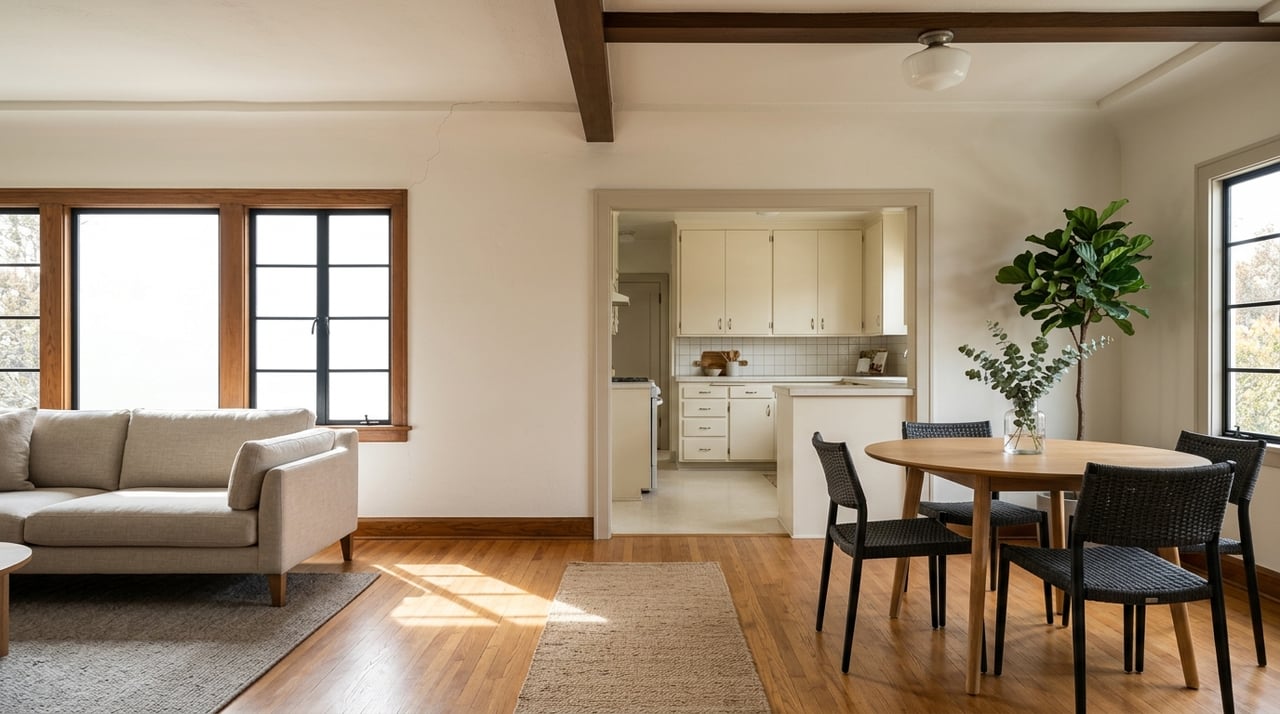
Older Berkeley homes can be strong fixer candidates when the core layout still works for modern living. A house with a sensible flow, decent room proportions, and usable circulation often gives you more options than one that needs major rethinking just to feel functional.
A good fixer does not have to be perfect on day one. It should, however, offer a floor plan that can be updated without excessive structural work. If the kitchen, living areas, and bedrooms already relate to each other in a practical way, you may be starting from a much stronger position.
Interior conversions can also be especially appealing in Berkeley. The city notes that attic and basement conversions without expanding the building are not counted toward the floor-area threshold that can trigger additional review for larger additions.
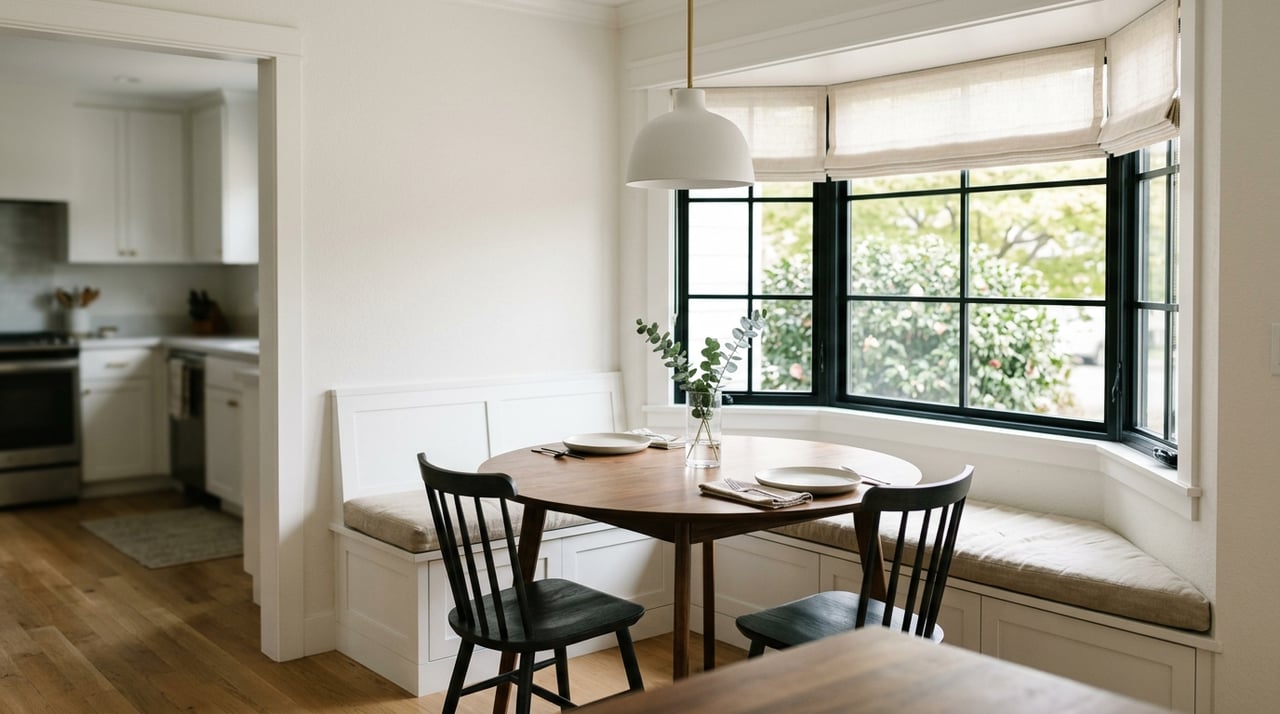
Natural light is one of the easiest ways to tell whether a home has value-add potential. Bright rooms tend to feel more livable, and homes with better daylight may need fewer expensive changes to feel fresh and inviting after renovation.
Window placement matters. According to the U.S. Department of Energy, daylighting depends on how windows and skylights are positioned, and north- and south-facing openings are generally easier to manage for glare and heat than east- and west-facing ones. In practical terms, a Berkeley fixer with good side setbacks, bright rear exposure, or a clear opportunity to add windows may have stronger upside than a house that feels dark throughout.
Not every home sits on a parcel that makes future work simple. In Berkeley, additions must be reviewed against zoning district standards, setbacks, lot coverage, and any special site conditions.
That is why lot potential matters almost as much as the house itself. If the site can support added usable space without pushing into a difficult approval path, the property may offer more practical upside.
Berkeley states that additions over 600 square feet or 15% of lot area can require an Administrative Use Permit. That does not mean a project is impossible, but it can affect timing, cost, and complexity.
Berkeley’s current ADU and JADU standards took effect on November 9, 2023. The city allows ADUs on properties with existing or proposed single-family dwellings, as well as duplex and multifamily lots, and all ADUs and JADUs require a building permit.
The city also offers pre-approved ADU designs, which may help reduce cost and permit friction. If your fixer strategy depends on adding flexible living space, rental potential, or multigenerational use, an ADU path may be worth exploring early.
In Berkeley, due diligence should start with parcel research, not sketches or inspiration photos. The city advises buyers and owners to review Parcel Conditions and Permit History, Building Eye, and the Parcel and Zoning search tool before committing to a project.
This step can reveal zoning, historic resource designations, fire district information, seismic details, and prior permits. On older homes, that background can change the renovation story fast.
A home may look straightforward from the street but have a more complicated history on paper. Prior work may have been permitted unevenly, or older changes may create questions that affect your remodel plans.
Looking at permit history early helps you understand what is likely existing legal space, what may need more verification, and where a licensed professional may need to step in. That can save you from building a budget around assumptions.
Historic status can have a major impact on fixer potential. Berkeley’s Landmarks Preservation Commission reviews construction, alteration, and demolition permits for landmarks and historic sites.
The city also notes that demolition of a landmark or structure of merit can trigger an Environmental Impact Report and a Structural Alteration Permit. For buyers, this does not automatically rule out a property, but it does mean the value-add plan may need to focus on preservation and thoughtful improvement rather than sweeping change.
Berkeley’s land use rules continue to evolve, and that can create both opportunity and complexity. Buyers looking at older homes should understand how current city standards may affect future plans.
One recent change is the city’s Middle Housing zoning rules, which became effective November 1, 2025. These rules apply to most residential areas outside the Berkeley Hills’ high fire hazard areas and can allow qualifying projects to be approved in about 30 days if they meet objective standards.
This is an easy detail to miss, but it is important. Berkeley’s zoning permit guidance makes clear that zoning permits and building permits are separate, and some projects require discretionary review before a building permit can move forward.
That means your renovation idea may sound feasible in theory but still face a longer review path in practice. It is wise to verify the entitlement route before you get attached to a specific remodel vision.
A smart fixer purchase is not only about what you can build. It is also about what future buyers are likely to value. In Berkeley’s market, that resale story matters. Let's do a comparative market analysis for the present condition and the future remodel.
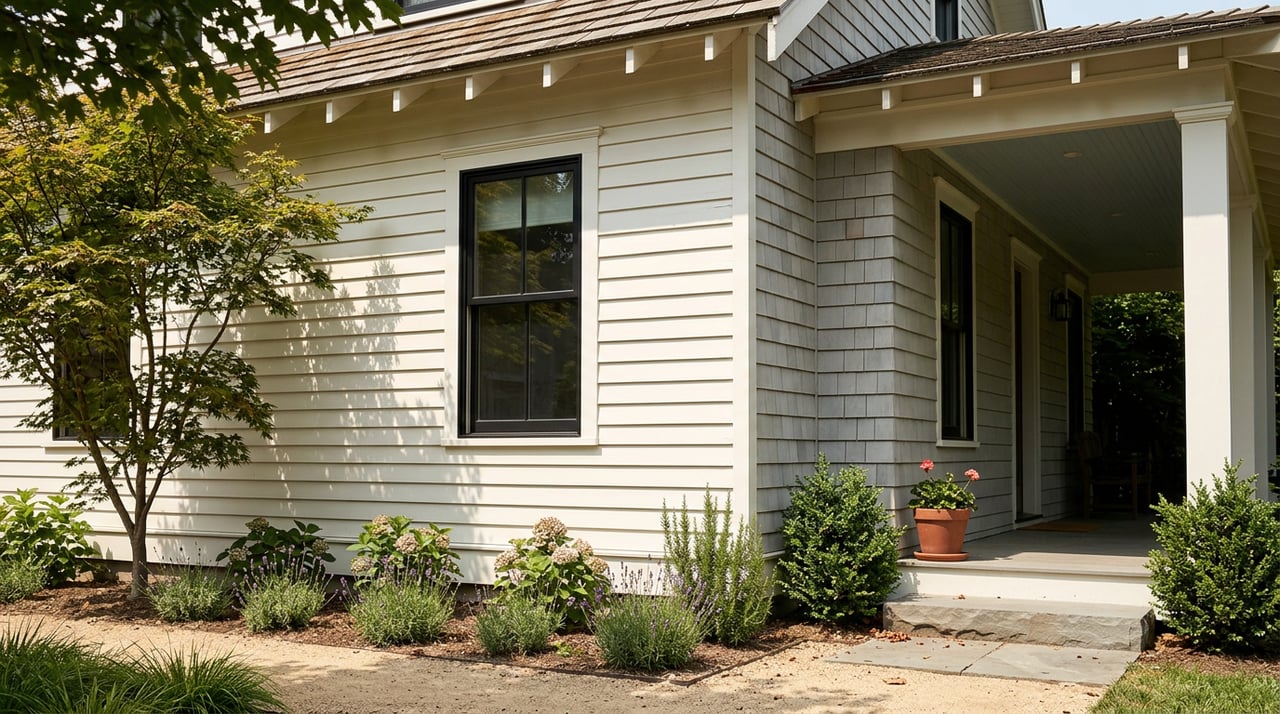
Older Berkeley homes often come with details that newer properties cannot easily replicate. Preserving those features while improving function can create a stronger end product than stripping the house of its original identity.
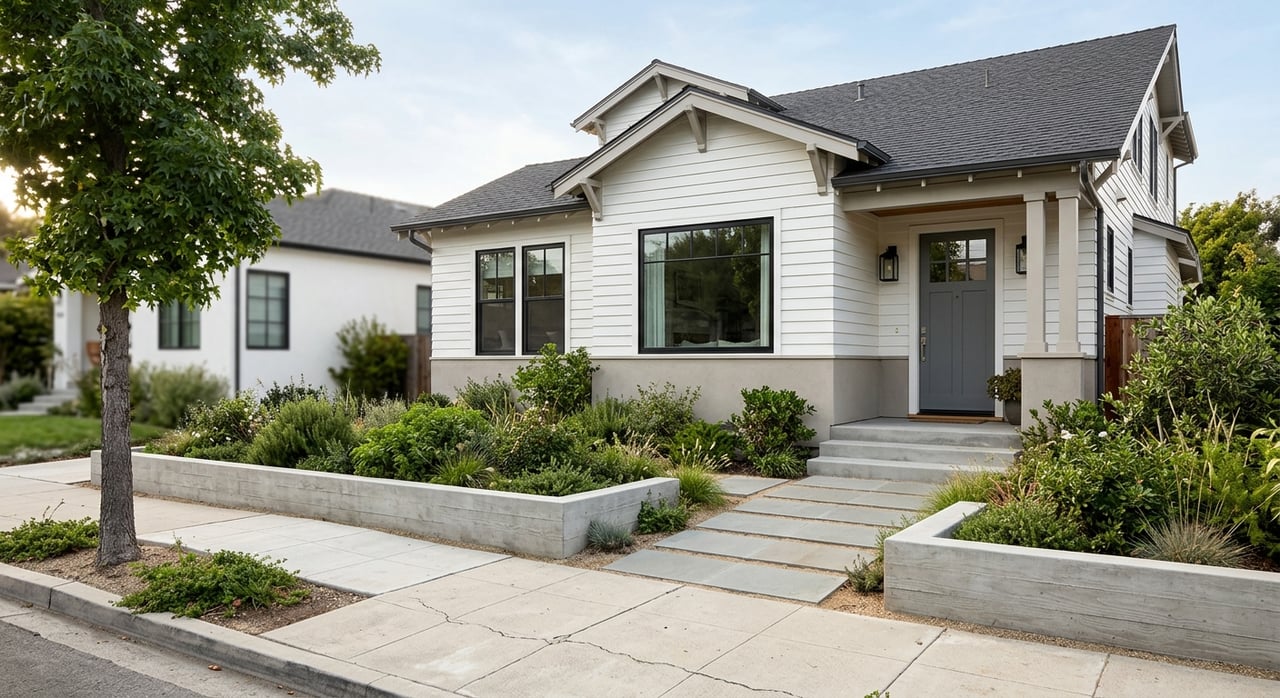
The strongest fixer candidates are usually the homes that become broadly usable after renovation. That could mean better flow, more legitimate square footage, improved natural light, or a more flexible living arrangement.
In a high-priced, relatively fast-moving market, buyers often respond best to homes that feel finished, practical, and easy to understand. A low purchase price alone does not create upside if the permit path or renovation scope is too difficult.
The more your plan depends on structural change, the earlier you should build your team. For older Berkeley homes, that often means talking with a licensed contractor, inspector, and sometimes a structural engineer before the renovation plan hardens.
This is especially true if the property’s upside depends on converting space, addressing foundation or framing concerns, or evaluating whether past work was done with permits. Clear expert input early can protect both your timeline and your budget.
In Berkeley, safety upgrades can be part of the fixer story, not just a side expense. The city’s seismic safety information shows that some older homes may qualify for retrofit support, including owner-occupied soft-story houses over garages and eligible homes under Earthquake Brace and Bolt assistance.
That means a home’s upside may depend partly on how achievable these safety improvements are.
When you step back, the best Berkeley fixer opportunities often share the same core traits. They have enough existing value to work with, plus a realistic path to improvement.
Here is what that often looks like:
The goal is not to find the oldest or cheapest house. It is to find the house where your effort can turn into legitimate, marketable value.
If you are thinking about buying an older Berkeley home with fixer potential, a calm, local read on the property can make all the difference. Shoshanna Marks can help you look beyond surface charm, evaluate the real upside, and connect you with practical local resources as you shape your next move.
Stay up to date on the latest real estate trends.

Get assistance in determining current property value, crafting a competitive offer, writing and negotiating a contract, and much more. Contact me today.