Albany Or Berkeley? How To Decide Your East Bay Home Base
June 25, 2026
June 25, 2026
Choosing between Albany and Berkeley can feel surprisingly tricky. They share a border, both sit in the East Bay, and each offers a strong sense of place, but they live differently day to day. If you are trying to figure out which city better fits your budget, commute, and housing goals, this guide will help you compare the details that matter most. Let’s dive in.
Albany and Berkeley are neighbors, but they differ a lot in size. Albany had 20,271 residents in the 2020 Census and covers 1.79 square miles, while Berkeley had 124,321 residents and spans 10.43 square miles.
That gap shapes how each place feels. Albany tends to come across as compact and easy to read, while Berkeley feels broader, with more districts and a wider range of activity areas. If you want a smaller-city rhythm, Albany may feel more intuitive. If you like variety across several distinct areas, Berkeley may offer more of that experience.
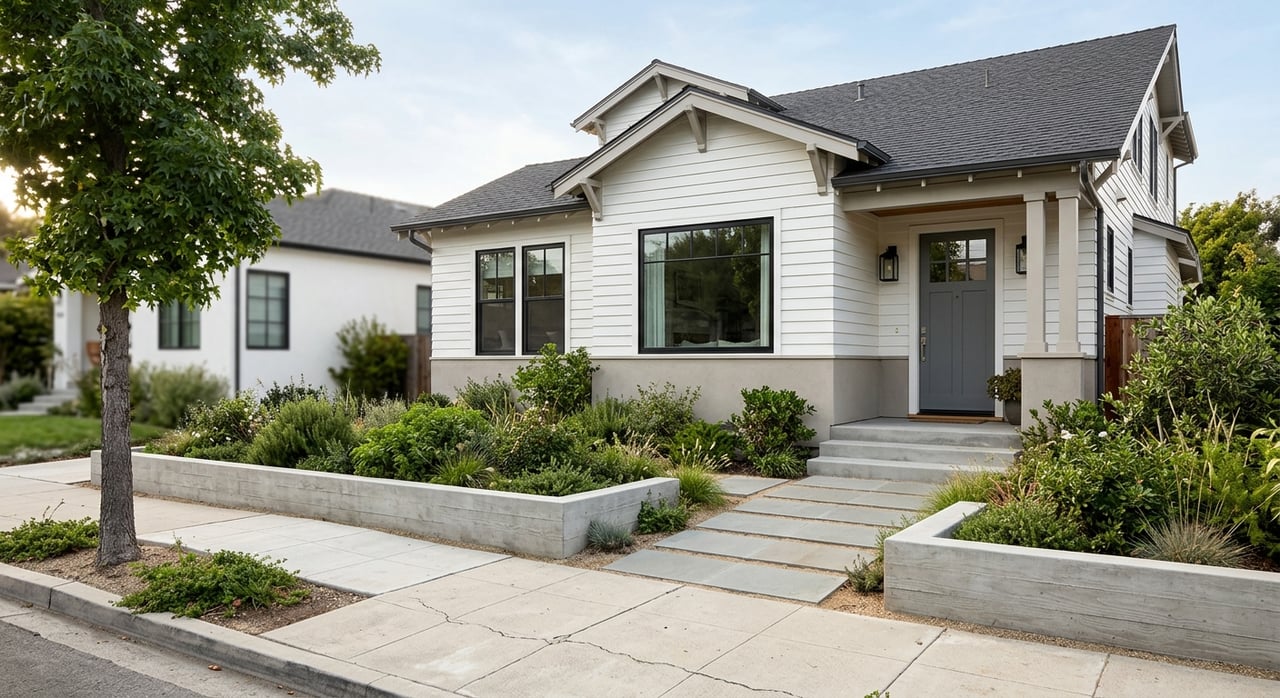
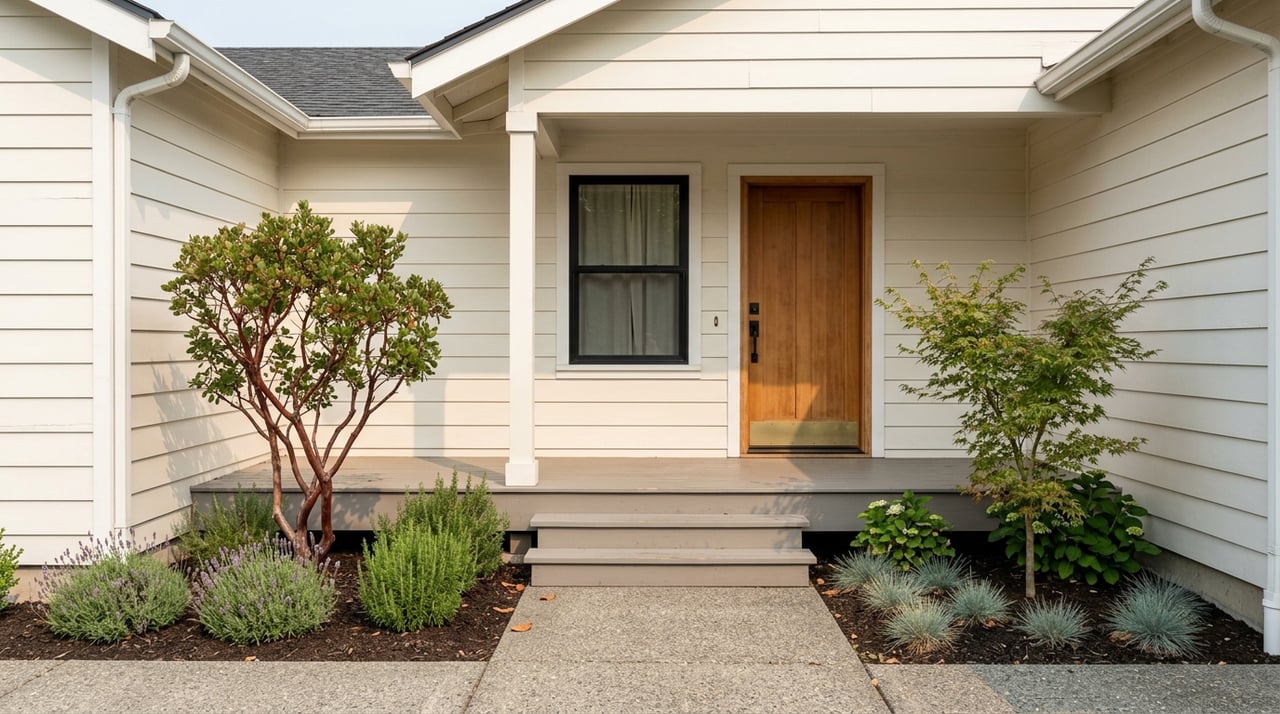
One of the clearest differences between Albany and Berkeley is housing type. Albany’s general plan says single-family homes predominate, with large areas devoted to single-family housing and smaller portions for townhomes, 2-to-4-unit buildings, and multifamily properties.
Berkeley’s housing stock is more mixed. According to Berkeley’s housing data, the city had 23,202 single-family units and 28,103 multifamily units in 2020, which means multifamily homes made up 55% of the housing stock.
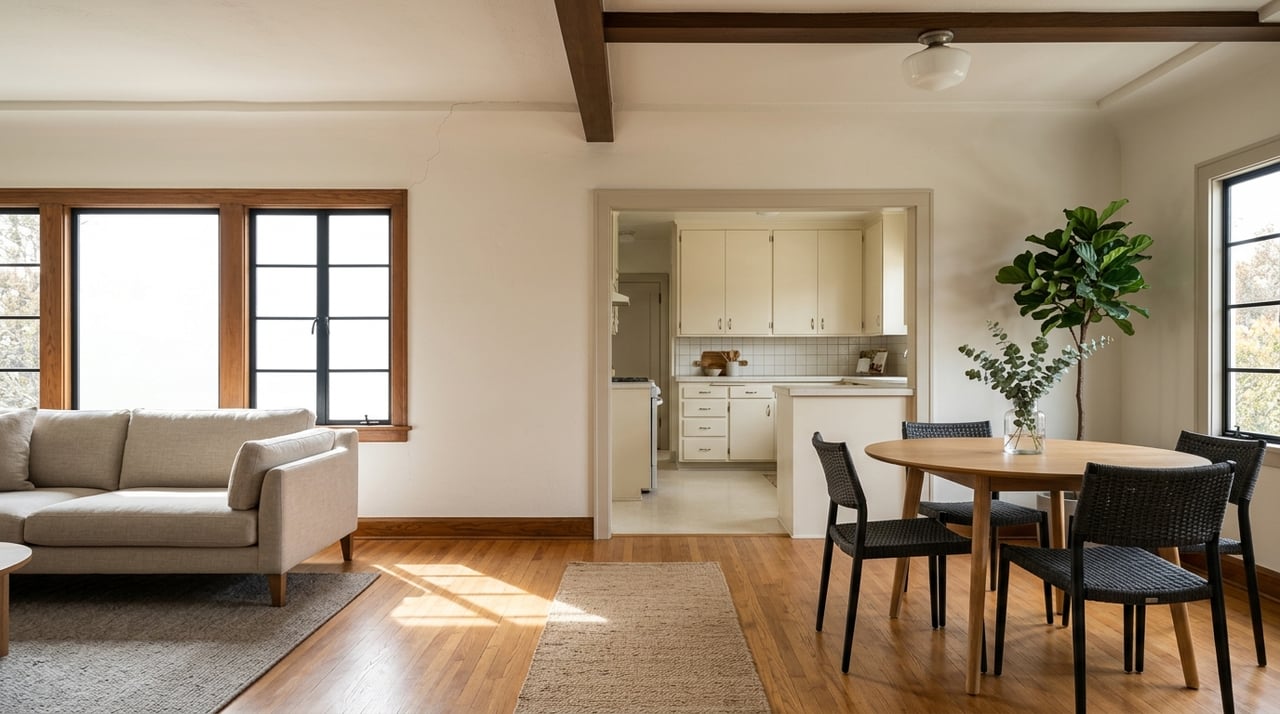
For you as a buyer, that can affect both search strategy and lifestyle fit. If you are focused on a stronger single-family-home presence, Albany may align more naturally. If you want a wider mix of condos, apartments, smaller multifamily options, and traditional houses, Berkeley gives you more variety.
Berkeley’s Middle Housing rules are set to take effect on November 1, 2025. The city says these rules are intended to allow duplexes, triplexes, fourplexes, courtyard apartments, and other small-scale multifamily homes in many residential areas.
That does not mean every block will feel the same, but it does reinforce Berkeley’s broader range of housing choices. For buyers who want flexibility in home type, or who are open to alternatives beyond a detached house, that is an important part of the Berkeley comparison.
Price matters, but it helps to separate home prices from rents and ownership patterns. In Redfin’s May 2026 market snapshot, the median sale price was $1,309,216 in Albany and $1,499,103 in Berkeley.
Census QuickFacts also shows a higher median owner-occupied home value in Berkeley at $1,413,900, compared with $1,202,200 in Albany. On the ownership side, Albany had a 53.1% owner-occupied rate, while Berkeley was at 44.2%.
That suggests Albany skews more owner-occupied, while Berkeley has a larger renter share. For some buyers, that may translate into a preference for Albany’s ownership profile. For others, Berkeley’s wider housing mix may be the bigger draw.
If you want a place that feels easy to use on foot, both cities have a case to make, but they do it differently. Albany’s transportation planning supports walking, biking, and rolling through its Active Transportation Plan, Complete Streets policy, Safe Routes to School work, daylighting efforts, and bicycle parking.
Albany’s general plan also points out that commercial uses cluster along the San Pablo and Solano corridors and Eastshore Highway. In practical terms, that means many daily errands and destinations feel concentrated rather than spread out.
The city describes a rectilinear grid of about 25 north-south streets and fewer than ten major east-west streets, with blocks generally 200 feet wide and 400 to 600 feet long.
That kind of layout can make everyday movement feel simple and comfortable. If you picture yourself walking to local businesses, moving around a compact set of blocks, and learning your surroundings quickly, Albany’s scale may be especially appealing.
Berkeley is also highly functional for day-to-day living, but in a broader, more district-based way. Its land use planning identifies commercial activity across Downtown, West Berkeley, North Shattuck, Elmwood, Solano, Shattuck/Adeline, Telegraph, San Pablo, and University Avenues.
That spread gives Berkeley a different feel from Albany. Rather than one concentrated main-street pattern, Berkeley offers multiple activity centers with their own rhythm and housing context.
If you want choices in how you spend your time, where you run errands, or which part of the city feels most like home, Berkeley’s wider district map can be a major plus. It gives you more room to match your home search to your habits.
Transit is another meaningful separator. Berkeley has three in-city BART stations listed by BART: Ashby, Downtown Berkeley, and North Berkeley.
North Berkeley Station also offers easy access to the Ohlone Greenway, an East Bay pedestrian and bicycle path. For buyers who want direct in-city rail access in multiple parts of town, Berkeley has the stronger transit profile.
Albany, by contrast, functions more as an adjacent-station city. BART’s El Cerrito Plaza Station serves southern El Cerrito, northern Albany, Kensington, and nearby areas of Berkeley and Richmond.
That does not make Albany inconvenient, but it does mean your BART routine may rely more on a nearby station just outside city limits. If transit access is central to your decision, that distinction deserves attention.
The citywide numbers are not dramatically different. Census QuickFacts shows a mean travel time to work of 30.8 minutes in Albany and 27.8 minutes in Berkeley.
That modest difference supports Berkeley’s slightly stronger transit-connected commuting profile, but it is not so large that it decides the question on its own. Your actual experience will depend more on where you work and how you like to get there.
If you are torn between Albany and Berkeley, it helps to think less about which city is “better” and more about which one fits your priorities. A smart decision usually comes from matching the housing stock, street pattern, and transit setup to the way you actually live.
Here is a simple way to frame it:
The right answer often comes down to your weekly routine. If you want compactness, a strong single-family presence, and a more concentrated daily geography, Albany may feel like the clearer match.
If you want more housing variety, more transit nodes, and a city where different districts offer different experiences, Berkeley may give you more options. Neither choice is one-size-fits-all, which is exactly why local guidance matters.
When you are comparing two neighboring cities with different housing stock, pricing patterns, and day-to-day flow, it helps to have someone who knows the East Bay block by block. If you want a calm, informed conversation about where to focus your search, connect with Shoshanna Marks.
Stay up to date on the latest real estate trends.

Get assistance in determining current property value, crafting a competitive offer, writing and negotiating a contract, and much more. Contact me today.