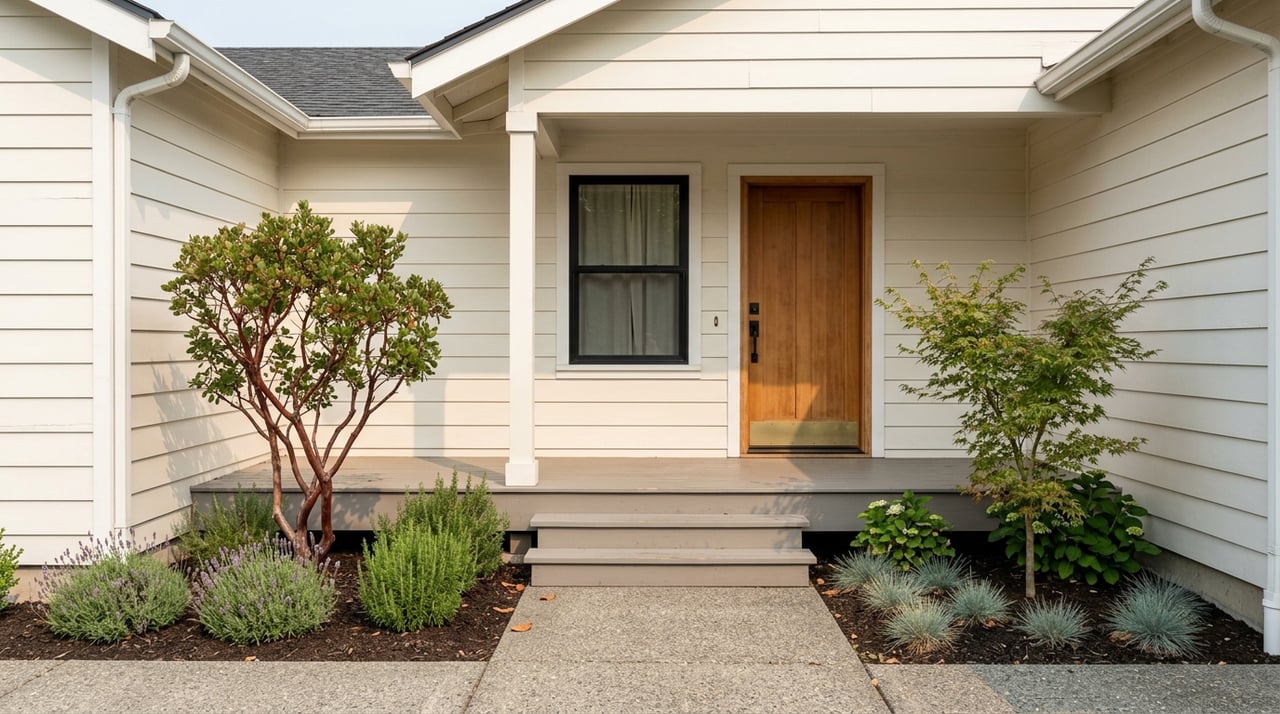
How to Prepare Your Berkeley Home for a Low-Stress Sale
June 11, 2026
June 11, 2026
Selling a Berkeley home can feel like a lot, especially when your house has decades of history and a to-do list to match. If you are hoping for a smoother sale, you do not need to guess your way through prep or assume you need a full remodel. With the right order of operations, you can focus on the updates and checks that matter most, avoid common delays, and get your home ready with less stress. Let’s dive in.
Berkeley is not a market where age is the exception. The city’s housing element says the median year a structure was built is 1942, nearly half of the housing stock was built before 1939, and by the end of the planning cycle, 95% of homes will be over 30 years old and 86% will be over 50 years old.
That matters when you sell. In an older, high-value market, buyers often look closely at maintenance, permit history, and how well a home has been cared for, not just the address or square footage. Census QuickFacts also shows a median owner-occupied home value of $1,413,900 in Berkeley, which raises the bar for presentation and preparation.
For many Berkeley sellers, the best path is not a major renovation. It is a smart plan that starts with records and compliance, then moves into visible repairs and presentation.
Berkeley’s housing element notes that older homes often face rehabilitation needs such as roof, foundation, and plumbing work. That does not mean every seller needs to take on a big project, but it does mean you should expect buyers to ask questions about condition and past work.
The City of Berkeley says owners can research building and planning permits online from 1993 forward. For older records, the city directs owners to microfiche records at the Permit Service Center, and if records are missing, the city says to use a public records request.
Berkeley’s zoning tools can show zoning district, fire zone, historic resource designations, and seismic information. This matters because what seems like simple exterior work may involve more review than you expect.
The city also says most construction and most repairs require permits unless they are specifically exempt. Finish-only work such as painting and similar surface updates is generally exempt, but a zoning permit may still be required even when a building permit is not.
If your property is a City Landmark, a Structure of Merit, or located in a Historic District, exterior changes require Landmarks Preservation Commission approval before building permit review. The city says complete structural alteration applications are typically processed in about 3 to 12 months.
That is why permit and property research should come first. It can help you avoid spending time and money on work that changes your listing timeline.
One Berkeley-specific item can affect your sale timing more than many sellers expect. The city requires a Sewer Lateral Certificate of Compliance before close of escrow for a sale, and it says owners should obtain it before listing when possible.
A low-stress sale usually starts with clarity. That means understanding your disclosure obligations early, before your home hits the market.
California’s Transfer Disclosure Statement covers the home’s physical condition, known hazards or defects, special taxes and assessments, and other factors that may affect value or desirability. California’s Natural Hazard Disclosure statement applies when a property is located in state-mapped hazard areas, including seismic hazard zones and earthquake fault zones.
Because so many Berkeley homes were built before 1978, lead-based paint disclosure may also apply. Federal law requires sellers of most pre-1978 housing to disclose known lead-based paint hazards before a sale.
The rule does not require you to conduct or pay for a lead inspection, and it does not require removal of lead-based paint or lead hazards found during inspection. Buyers must be given a 10-day period to test for lead-based paint or lead hazards.
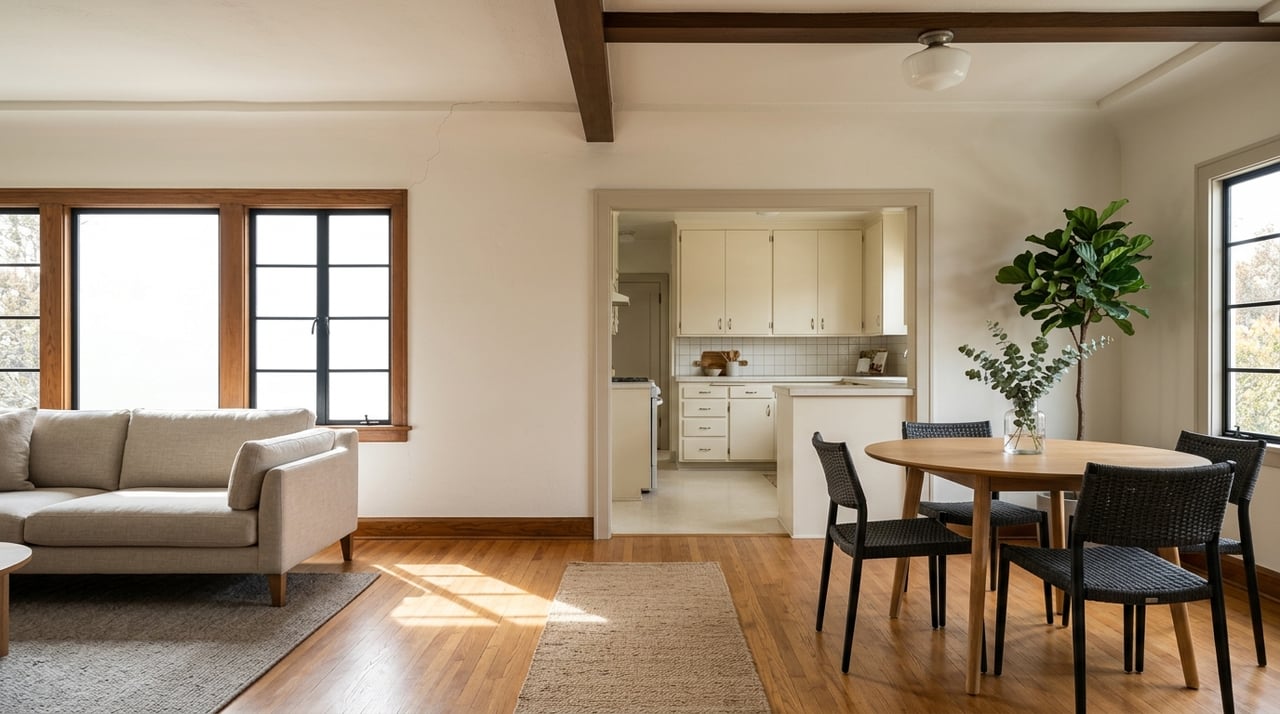
Once records and compliance items are underway, shift your attention to visible condition and presentation. This is where many sellers can make meaningful progress without overcomplicating the process.
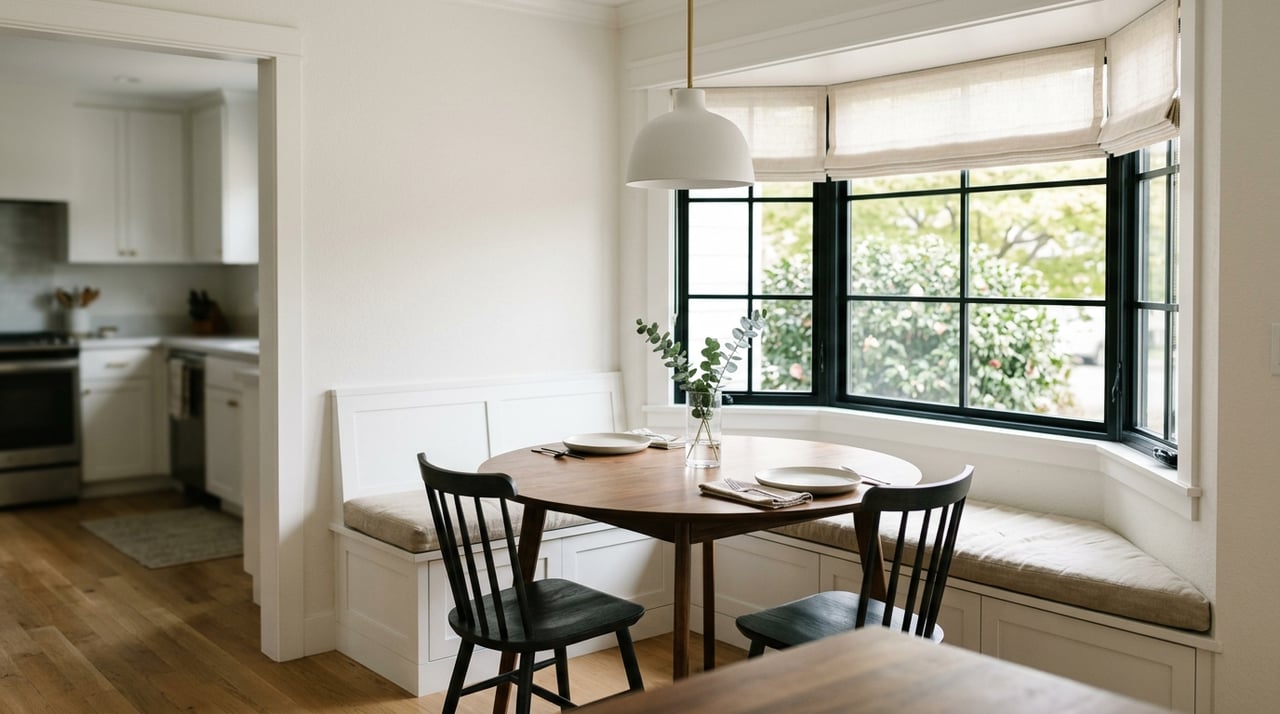
The 2025 Profile of Home Staging found that 49% of agents said staging reduced time on market, and 29% said it increased the dollar value offered.
In practical terms, that often means focusing on:
These steps do not guarantee a result, but they align with what buyers tend to respond to and what staging professionals recommend most often.
When everything feels urgent, a simple sequence can make the whole process easier. In Berkeley, the most practical order is usually to address research and compliance first, then move to cosmetic prep, then finish with staging and launch.
This sequence helps you tackle the issues most likely to affect timing before you spend energy on finishing touches.
Preparing your Berkeley home for sale does not have to mean doing everything. It means doing the right things in the right order.
If you start with city records, understand local compliance items, and focus your budget on visible maintenance and presentation, you can reduce surprises and make the listing process feel much more manageable. In a market full of older homes and detail-oriented buyers, that kind of thoughtful prep can go a long way.
If you want a calm, customized plan for your Berkeley sale, Shoshanna Marks offers local guidance, practical prep support, and trusted East Bay resources to help you move forward with confidence.
Stay up to date on the latest real estate trends.


Get assistance in determining current property value, crafting a competitive offer, writing and negotiating a contract, and much more. Contact me today.