Pricing And Positioning Your Albany Home In Today’s Market
July 9, 2026
July 9, 2026
If you are thinking about selling in Albany, it is easy to assume the market will do all the work for you. Demand is still strong, homes move quickly, and inventory remains tight, but that does not mean every home will get the same response. The sellers who stand out today are the ones who price thoughtfully, prepare carefully, and launch with confidence. Let’s dive in.
Albany is a small, mostly built-out city, and that shapes how your home should be priced and presented. The city’s Housing Element notes that there are very few undeveloped parcels, most new housing opportunities are infill, and more than half of Albany’s housing stock is over 60 years old. Many homes east of Masonic Avenue were built before 1940.
That matters because buyers are not comparing a large pool of interchangeable homes. In Albany, condition, layout, updates, and documentation can have a big impact on how your home is perceived. Two homes with similar square footage can draw very different interest depending on maintenance, permits, and overall presentation.
In Albany, pricing should be based on the most relevant recent sales and the homes buyers are considering right now. A citywide average or a single online estimate may not tell the full story in a small market where a few sales can shift the numbers.
That is why pricing conversations should be highly local and property-specific. The strongest pricing strategy usually starts with a narrow set of recent comparable sales, then adjusts for details like condition, floor plan, lot utility, permitted improvements, the difference between list and sale prices and any features that change buyer perception.
Because Albany has an older housing stock, buyers often look beyond finishes and pay attention to signs of care and maintenance. A home that feels clean, well-kept, and clearly documented can create more confidence than a similar home with unanswered questions. Mystery can cost money on offer day.
That does not mean every seller needs a major renovation. Often, the goal is simpler: reduce distractions, address obvious issues, and make the home feel cared for. In many cases, thoughtful pre-listing preparation can help buyers focus on the home itself rather than on potential problems.
Staging and presentation still matter, even in a strong market. According to the 2025 Profile of Home Staging, 29 percent of agents said staging led to a 1 percent to 10 percent increase in the dollar value offered, and 49 percent said staging reduced time on market.
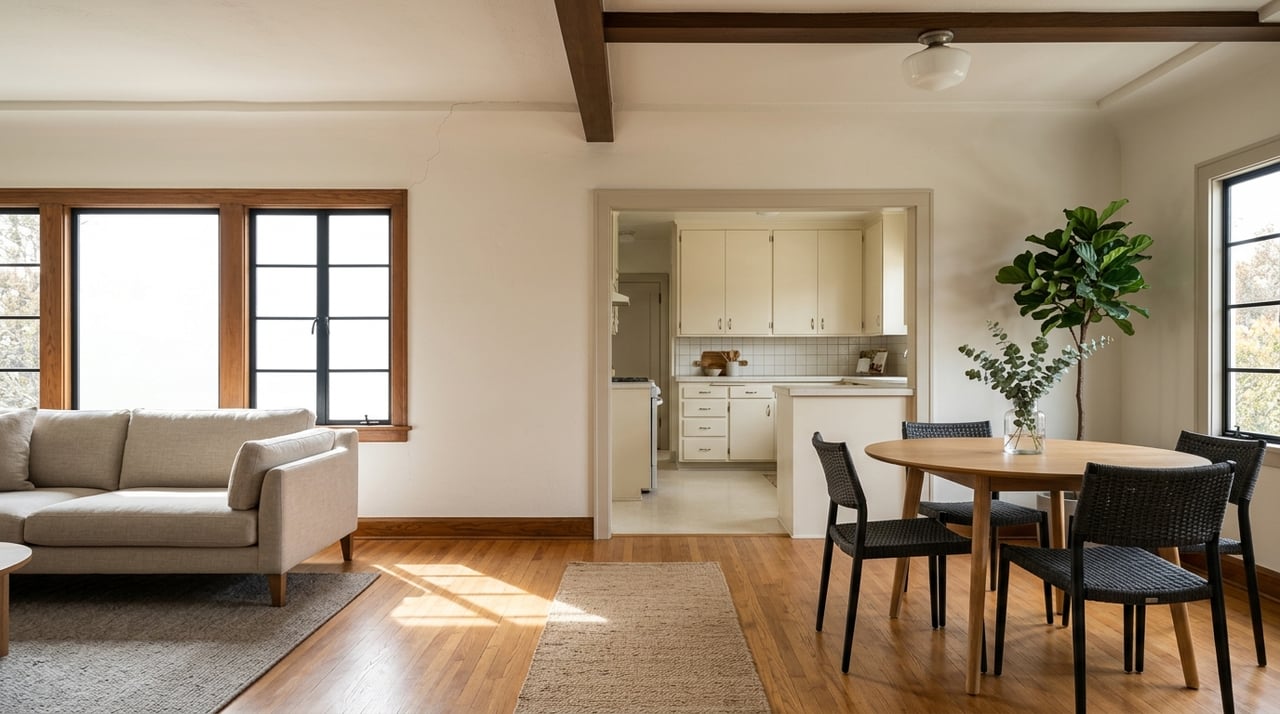
For many Albany sellers, that points to a practical strategy. You may not need to stage every room, but your main living spaces should photograph well and feel inviting in person.
If you plan to do work before listing, it helps to think beyond the finished result. Documentation matters too. Albany’s Building Department lists several common residential projects that may require permits, including furnace replacements, water heater replacements, electrical panel change-outs, siding repair or replacement, window replacements, HVAC installations, re-roofs, and sewer lateral work.
The city also notes that code enforcement addresses unpermitted construction. For sellers, that means undocumented work can create friction during the transaction, while clear records can support buyer confidence.
Before you list, it is worth gathering paperwork for completed work and discussing any gray areas early. Pricing is not just about appearance or square footage. It is also shaped by how buyers and their inspectors will view the home’s condition, systems, and records.
In California, disclosures are a key part of the sale process, and they can influence how buyers value risk. The California Department of Real Estate’s consumer guide explains that listing and selling brokers must conduct a reasonably competent and diligent visual inspection of 1- to 4-unit residential properties and disclose material facts affecting value, desirability, and intended use.
The guide also covers the Transfer Disclosure Statement and natural hazard disclosures. In practical terms, that means pricing and positioning should account for what buyers are likely to learn through disclosures, inspections, and permit history.
A home with strong preparation and clear disclosures often feels more straightforward to buyers. That can support stronger offers and a smoother path once your listing goes live.
The first week on market carries a lot of weight in Albany. Since buyers move quickly and multiple offers are still common, it helps to have everything ready before your home goes live.
A strong launch usually includes:
This kind of preparation helps your listing feel polished and credible from day one. Instead of scrambling after launch, you can focus on buyer response and next steps.
Selling in Albany is not just about listing at the right number. It is about understanding how buyers read older homes, how limited inventory changes comparisons, and how pricing, prep, and disclosures work together.
That is where local guidance can make a real difference. A calm, tailored plan can help you decide what to fix, what to document, what to stage, and how to position your home for the market that exists right now.
If you are considering a sale in Albany and want thoughtful guidance on pricing, preparation, and timing, Shoshanna Marks can help you create a strategy that fits your home and your goals.
Stay up to date on the latest real estate trends.


Get assistance in determining current property value, crafting a competitive offer, writing and negotiating a contract, and much more. Contact me today.